Heading to Ongava Private Game Reserve
After about 5.5 hours on the road, I finally reached the entrance gate of Etosha National Park in Namibia. Just before the gate, however, I turned left into the private Ongava Game Reserve. I was warmly welcomed by the friendly staff, who quickly directed me to Ongava Lodge—a scenic ten-minute drive deeper into the reserve.
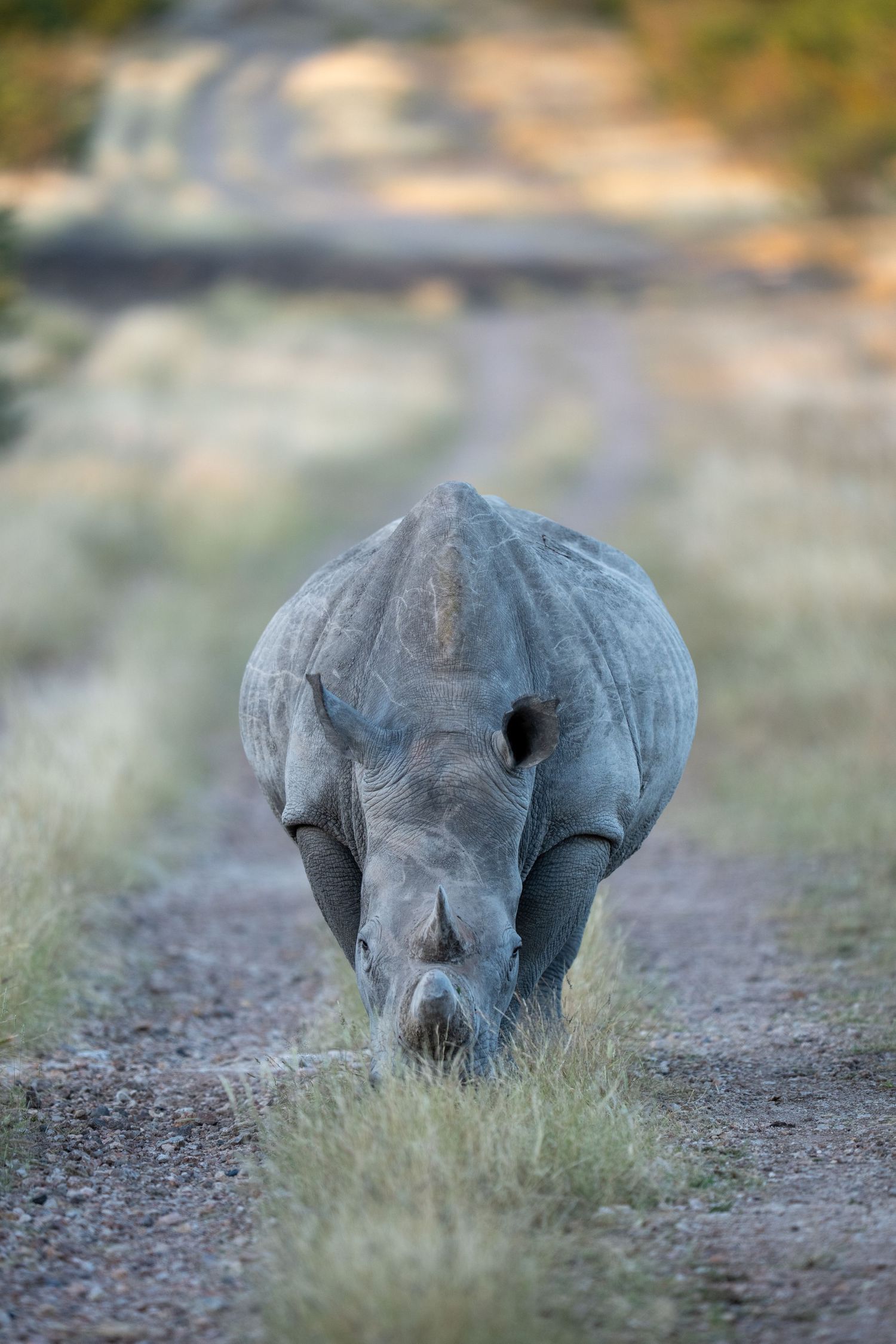
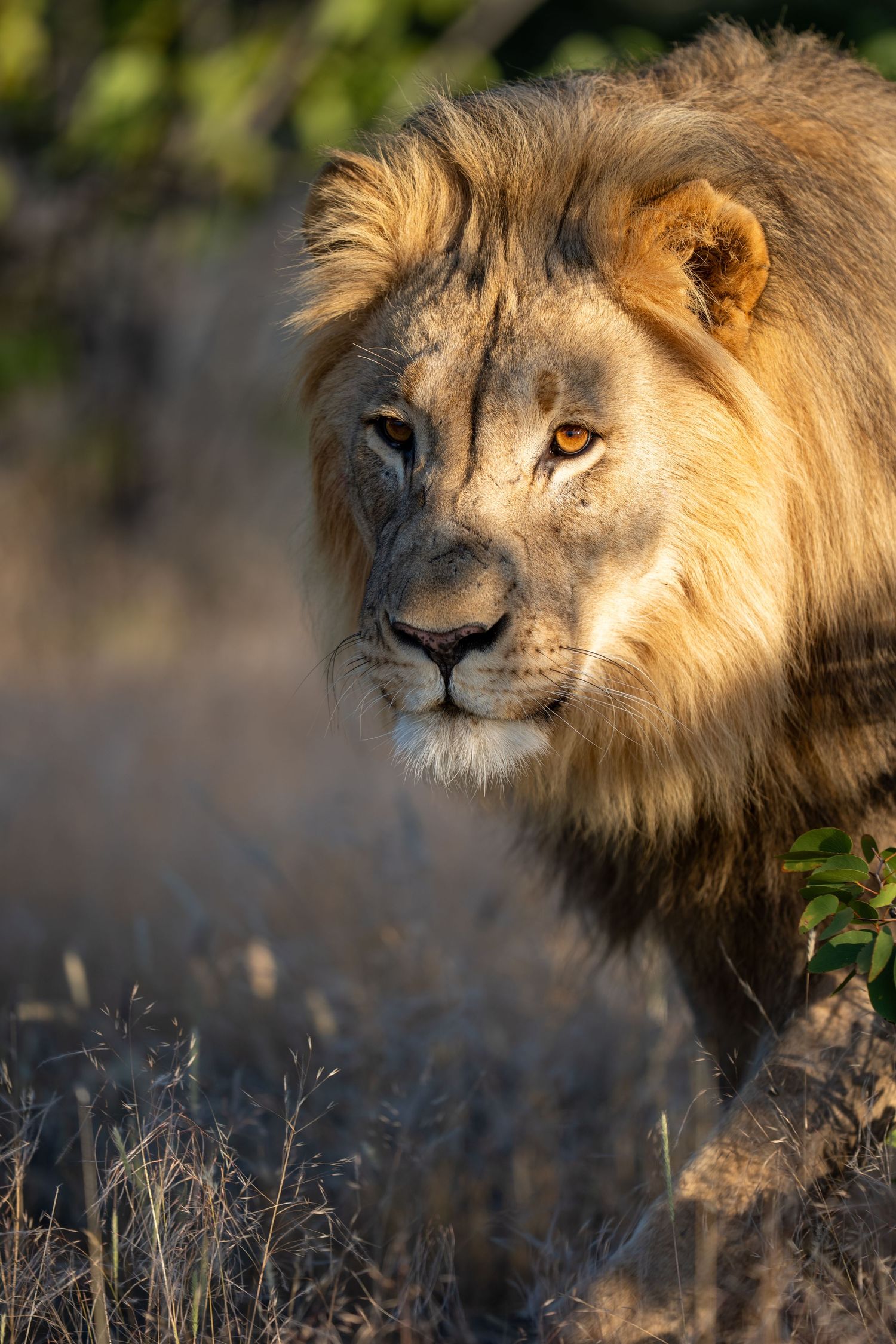
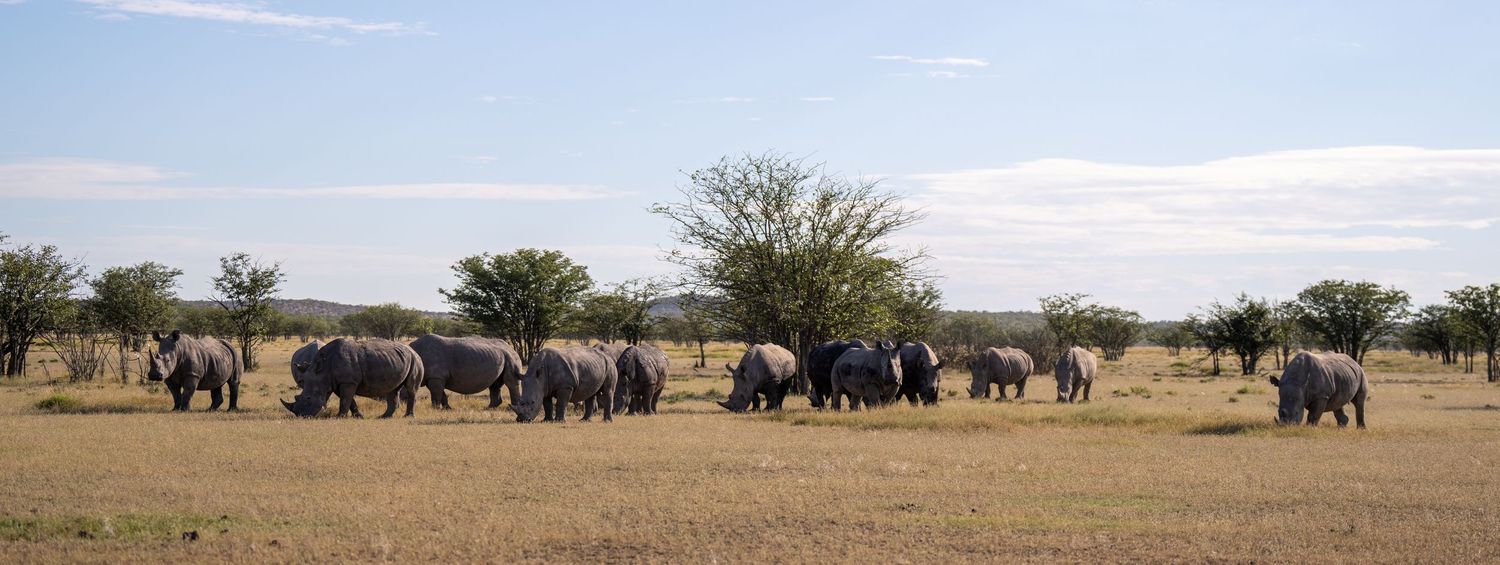
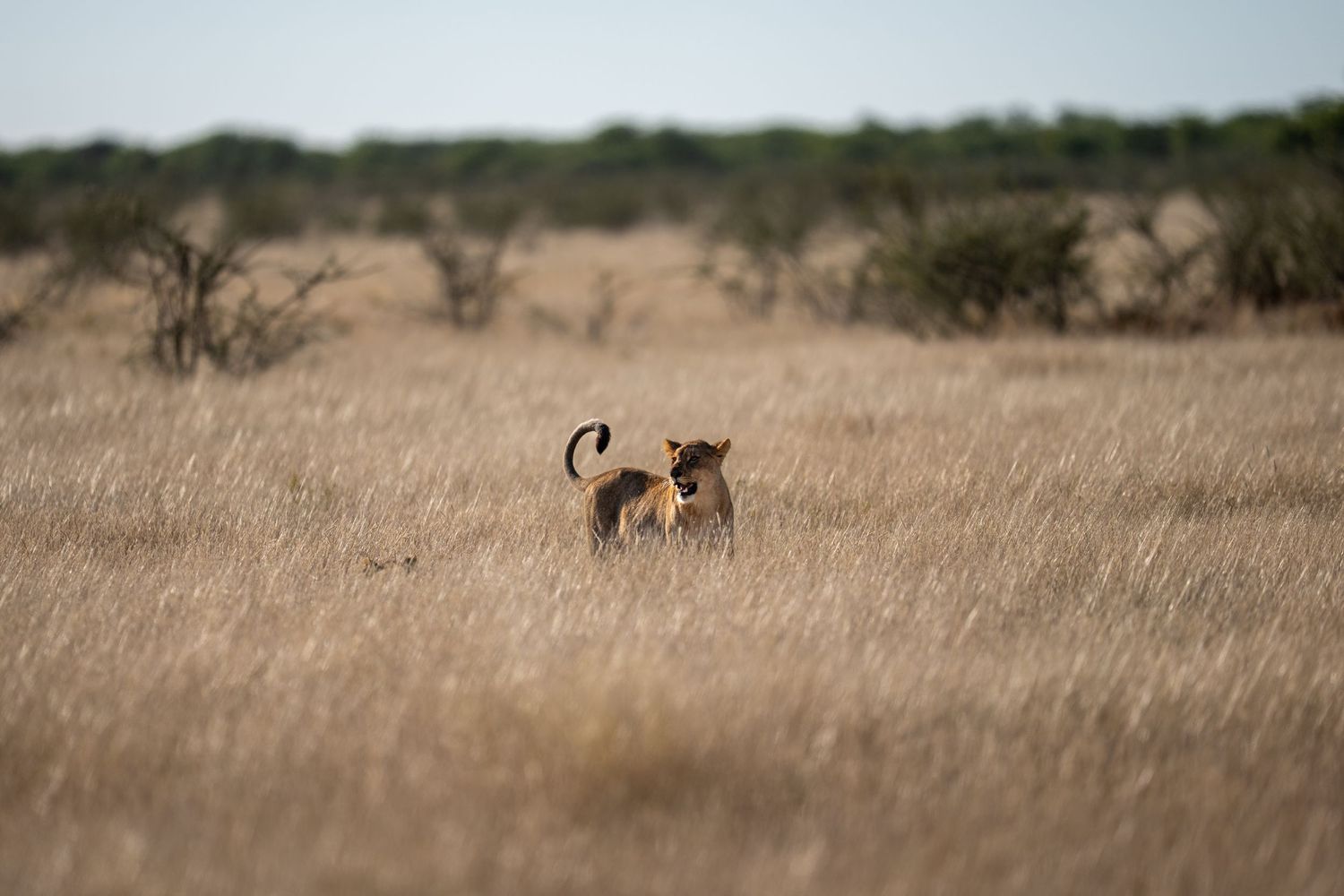
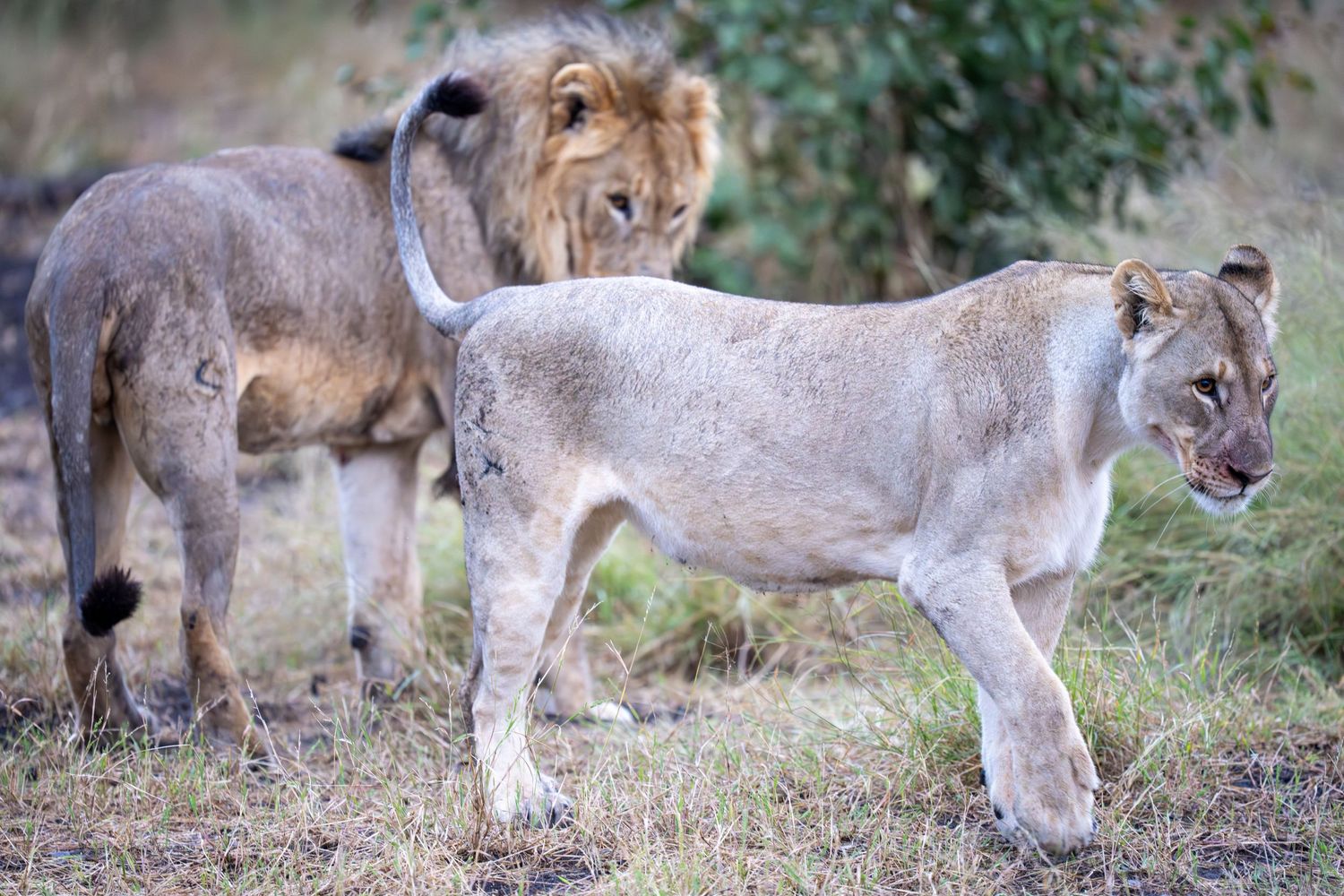
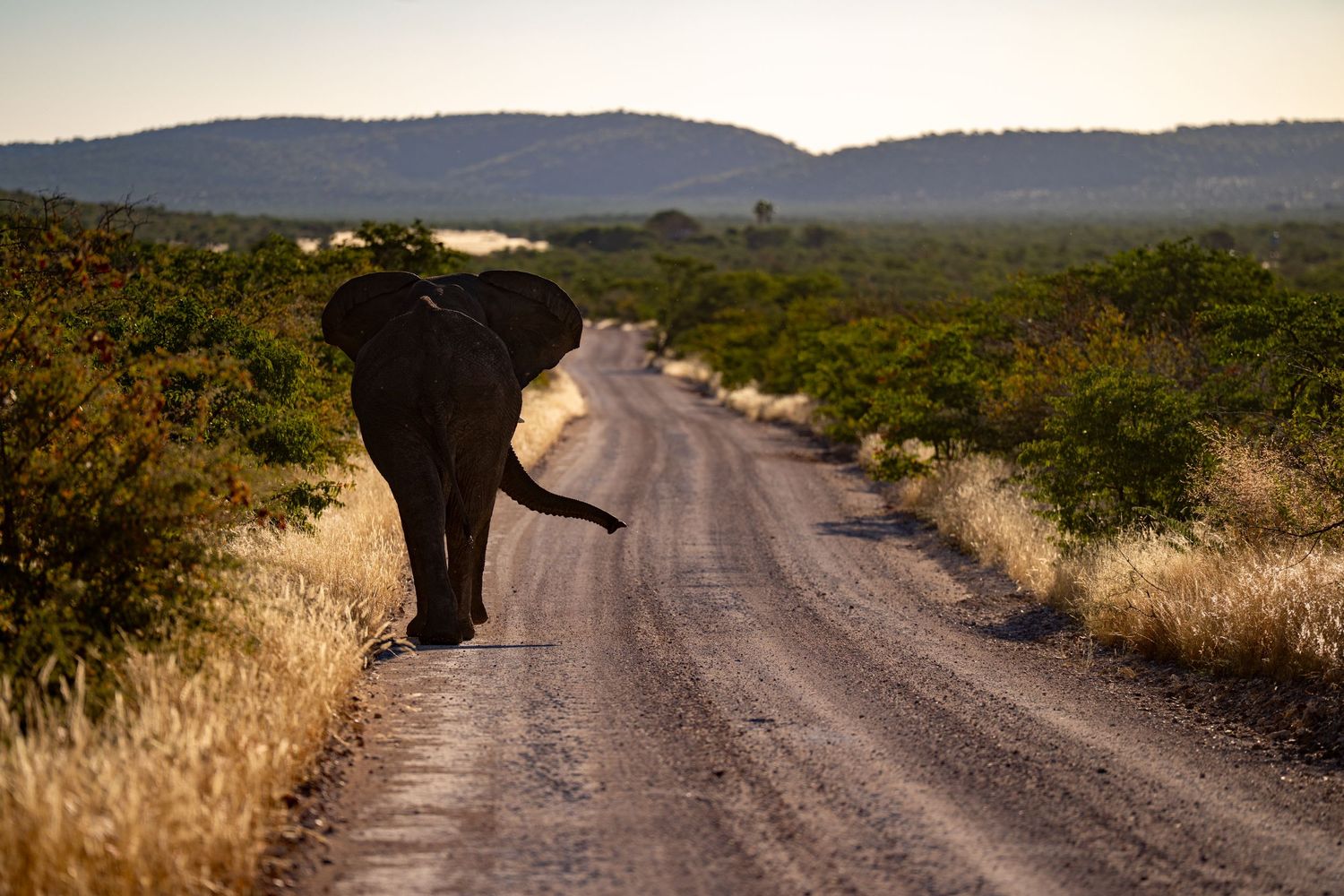
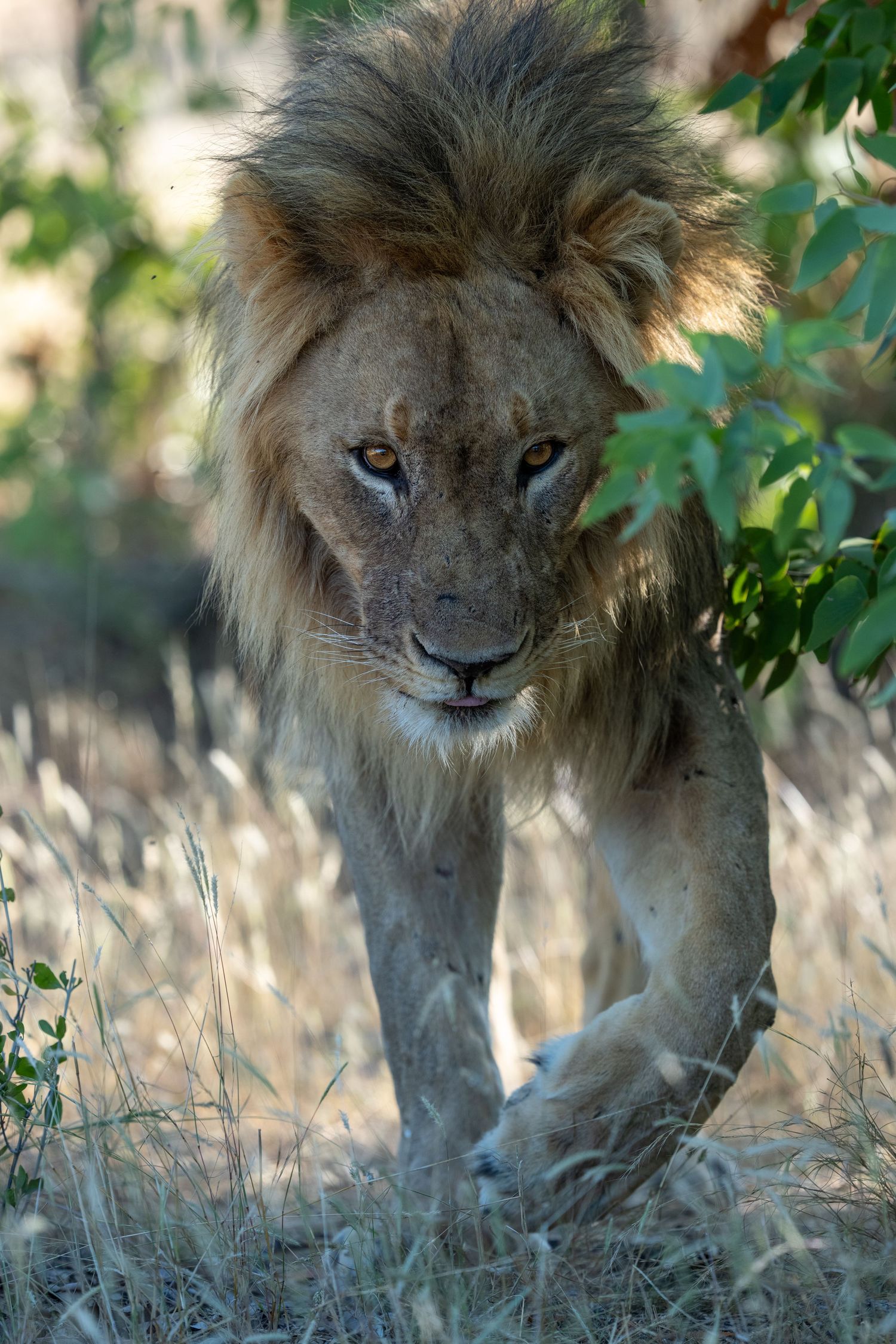
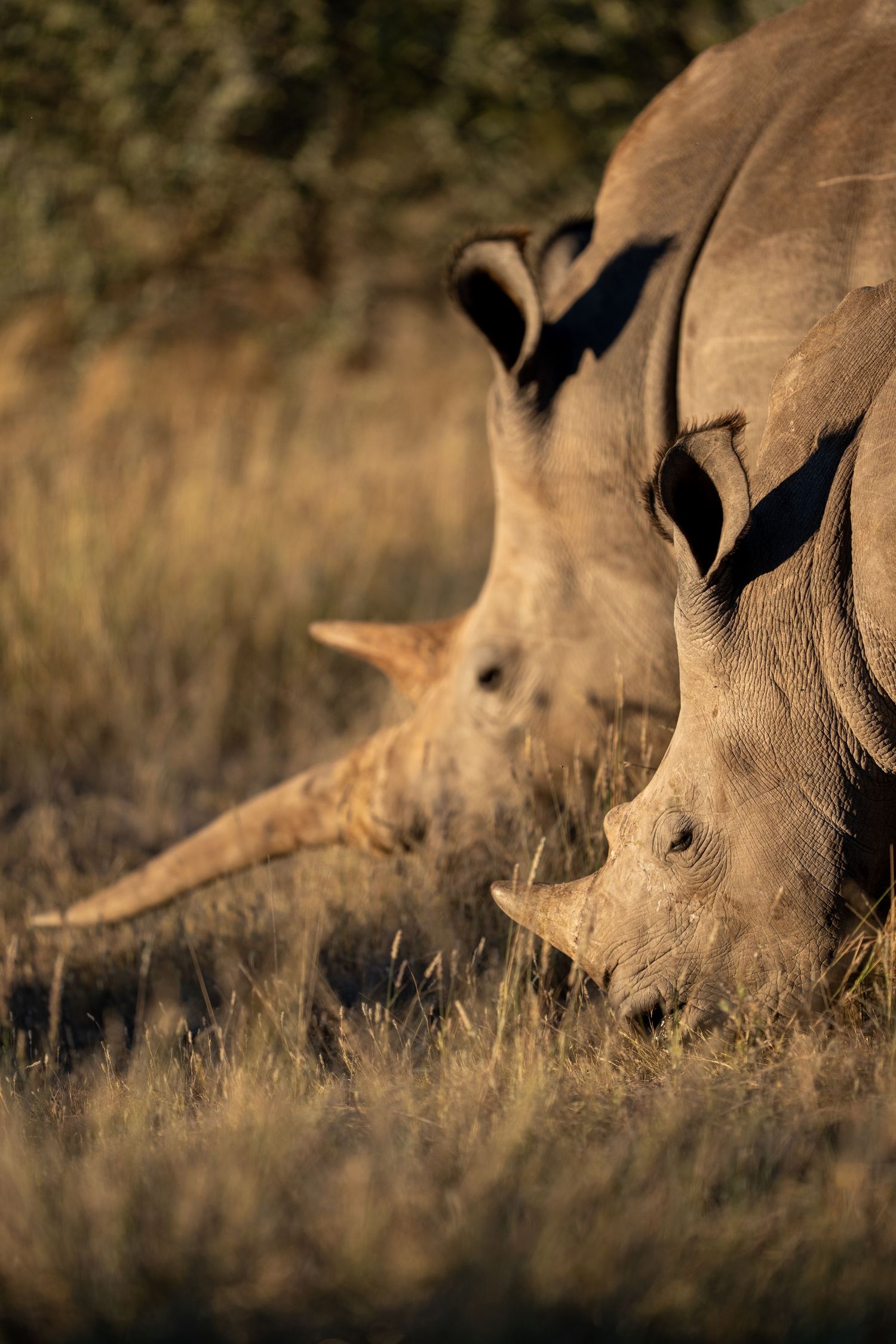
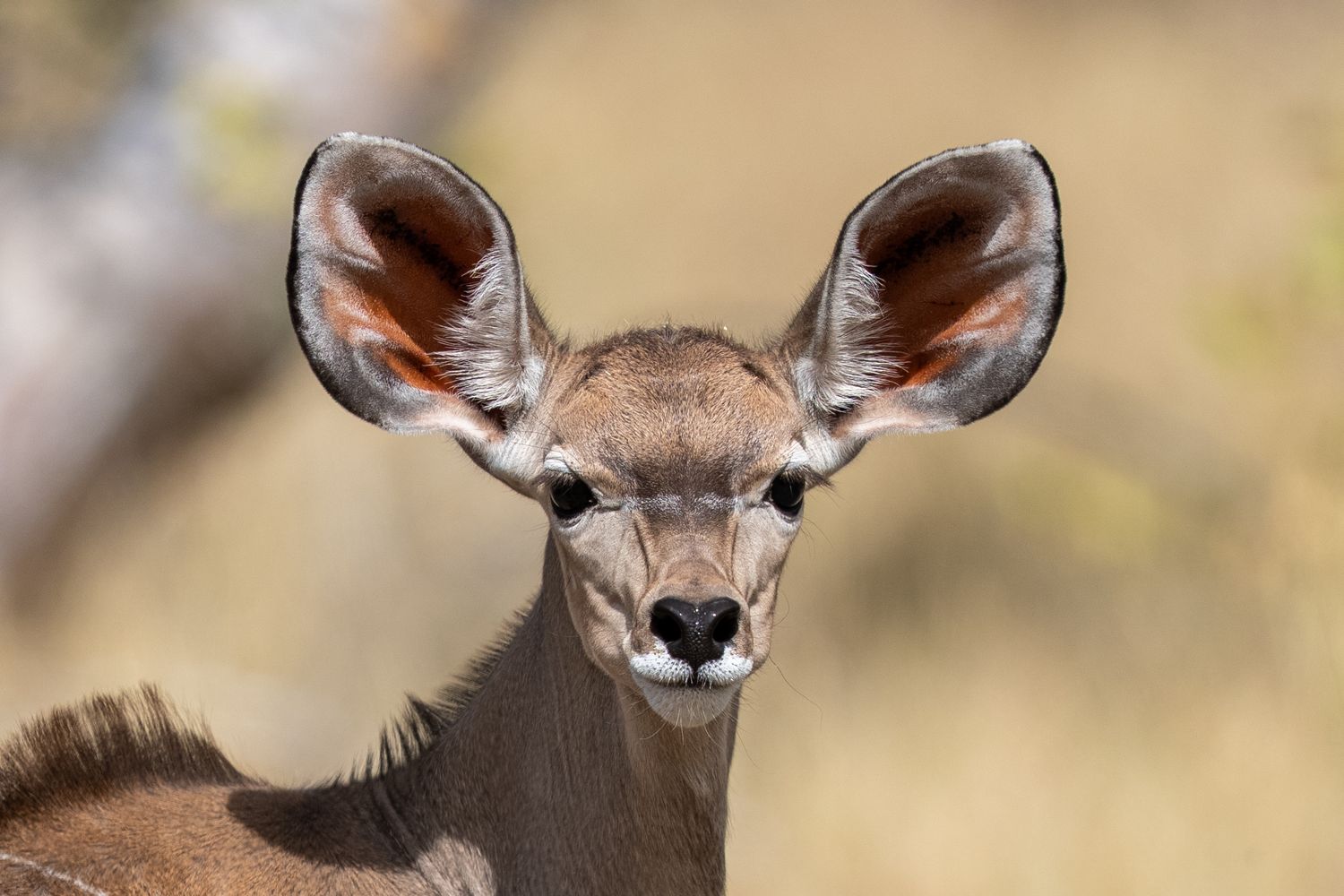
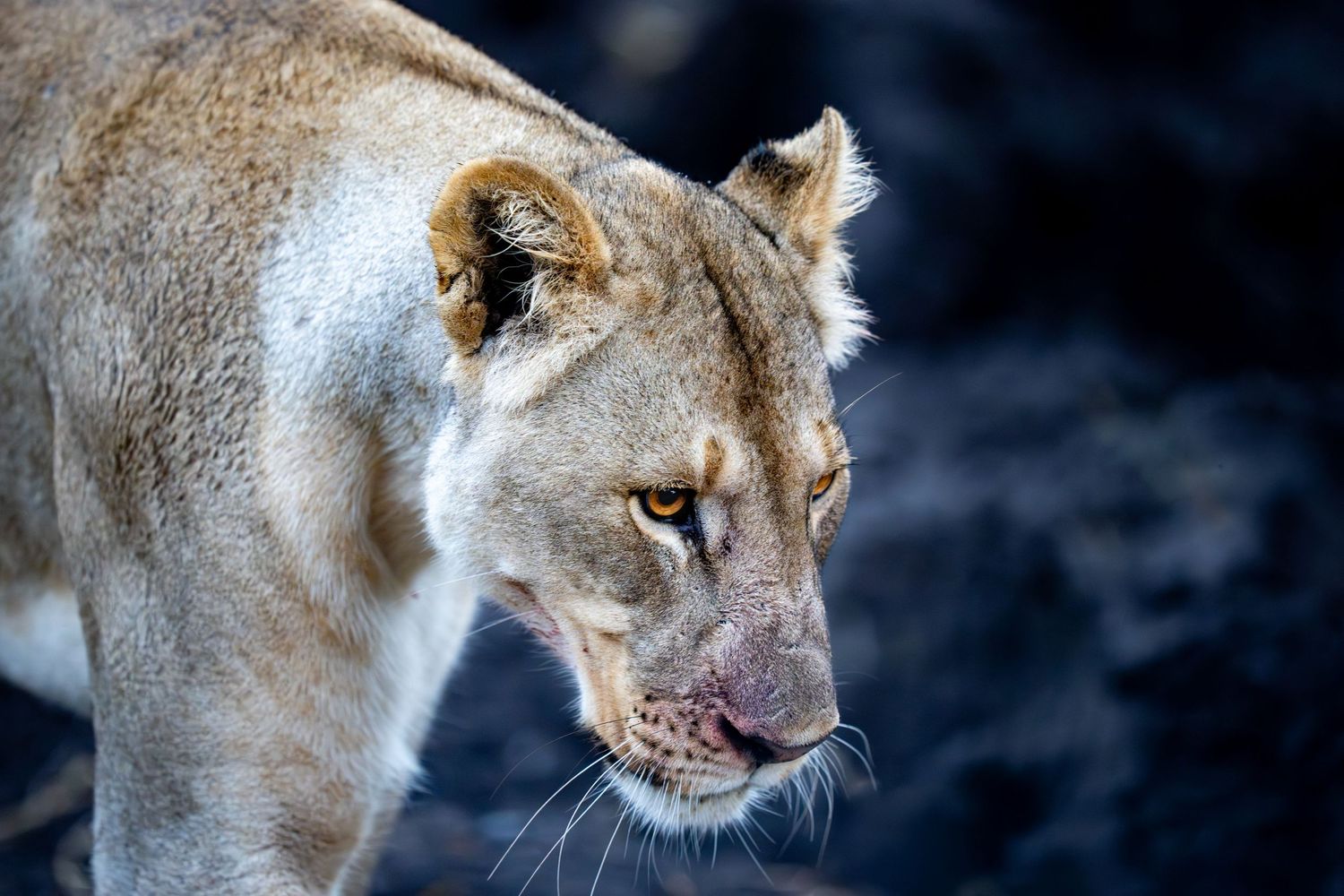
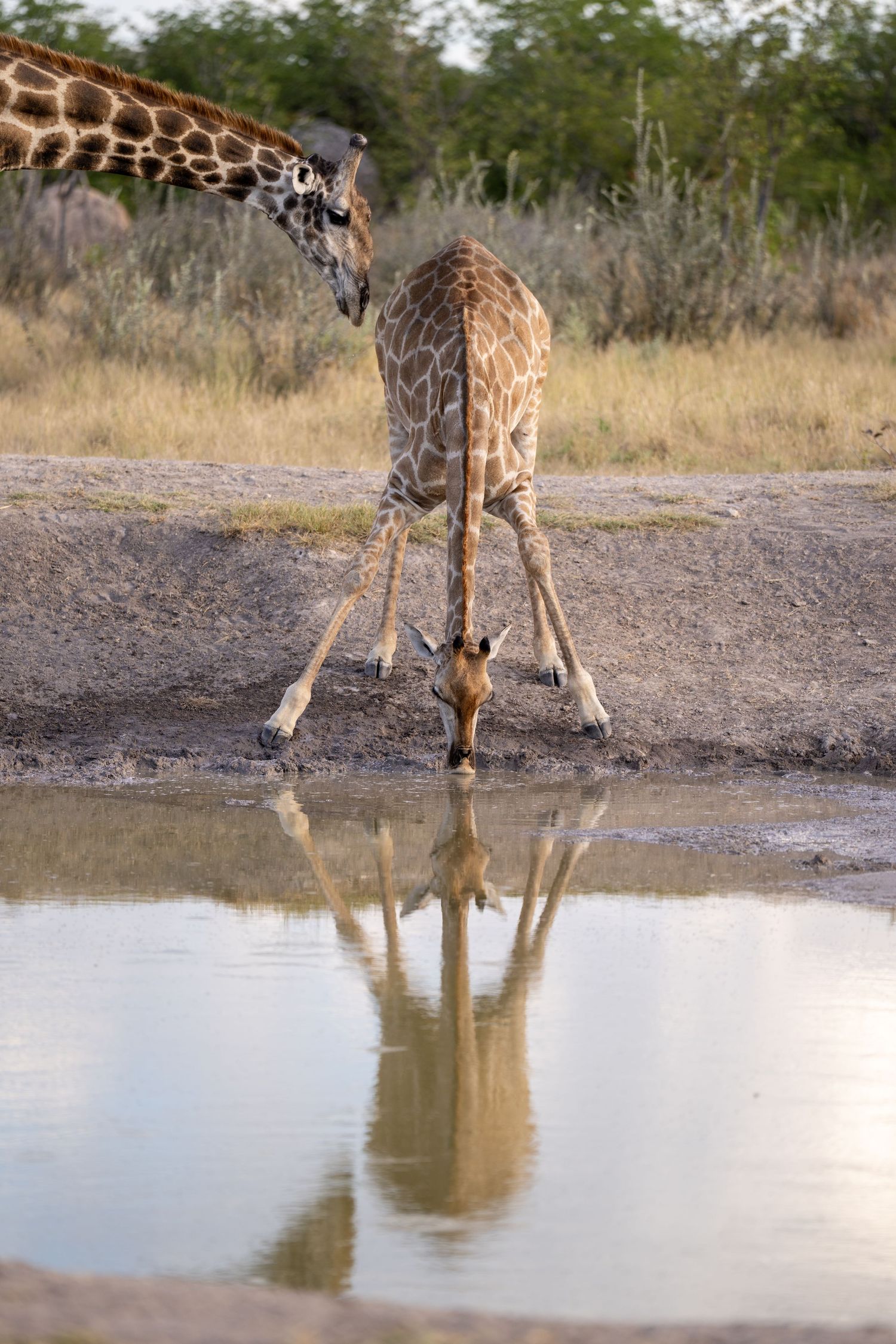
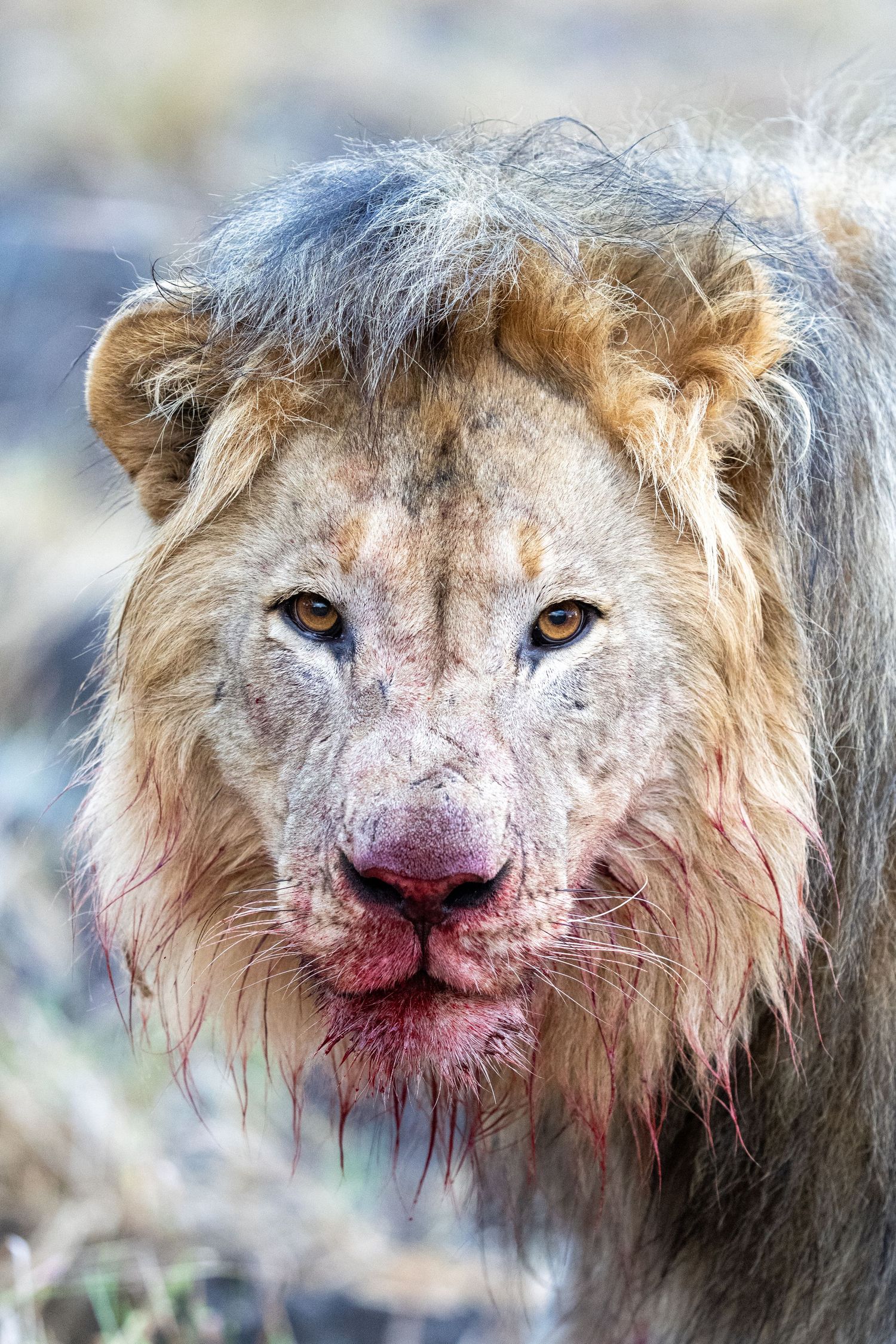
Spanning a vast 30,000 hectares (roughly 74,000 acres), Ongava is one of Namibia’s premier private game reserves, located directly along the southern boundary of Etosha. What was once unproductive farmland has been steadily transformed since its establishment in 1991 through the purchase and rewilding of additional land—creating a thriving sanctuary that continues to grow while maintaining its intimate, exclusive feel. This ongoing conservation effort has restored the natural balance, making Ongava a true “Realm of the Rhino.” It’s now home to healthy populations of both black and white rhinos, along with lions, elephants, leopards, giraffes, and many other species, including rare black-faced impala. The reserve’s dedication to biodiversity is world-renowned, offering guests some of the closest, most relaxed rhino encounters in Africa—sometimes even on foot.
The landscape here is wonderfully varied and breathtaking: rolling dolomite hills covered in thick bushveld and mopane woodland, interspersed with open grassy clearings and light-dappled savannah patches. It feels alive and ever-changing—perfect for game viewing. Well-maintained natural tracks wind through the reserve, but unlike the self-drive freedom of Etosha National Park (where anyone can enter for a fee and explore independently), Ongava is strictly guided-only. Only professional guides in safari vehicles are permitted to drive, ensuring minimal disturbance to the wildlife while allowing for unforgettable day and night game drives.
True to its exclusive nature, Ongava currently offers just four luxury lodges—Ongava Lodge, Anderssons at Ongava, Encounter by Ongava, and Horizon by Ongava—each designed to blend harmoniously with the surrounding wilderness. Even as more land is acquired and the reserve expands, the atmosphere remains wonderfully private and uncrowded, giving you the sense of having this wild corner of Africa all to yourself.
It’s the perfect introduction to Namibia’s wild heart—raw, restorative, and teeming with life. I can already tell this is going to be something special.
The Lodge
The approach road to the lodge was undergoing some tasteful renovations – but I’m confident the upgrades will only make the experience even better. Perched dramatically along a rocky ridge in the dolomite hills known as Ondundozonanandana (“the mountain where the boy took the calves” in the local language), Ongava Lodge is a true architectural gem that blends seamlessly into the landscape. Its 14 spacious rock-and-thatch chalets are thoughtfully scattered across the hillside, each offering privacy and sweeping views, while the central lodge area features elegant viewing decks that look straight down onto a floodlit waterhole – a magnet for rhino, elephant, and all manner of game. A short, safe path leads to a superb photographic hide right at the water’s edge, where you can sit in near silence and watch Africa’s wildlife come to drink, often just metres away.
I was, of course, assigned the very last and most distant chalet – perfect for an extra daily workout, though a little challenging after one sundowner too many! The room itself is a beautiful celebration of authentic African style: spacious, warm, and tastefully decorated with natural tones, earthy textures, and subtle wildlife motifs. A generous private veranda overlooks the open plains, inviting you to linger with a book or simply soak in the view. While a mini-bar would have been a welcome addition (it’s apparently in the works), the fully stocked bar and lounge in the main area more than make up for it – even if it does feel like a bit of a trek after a long day. The lodge is unfenced, which adds to the genuine wild feel: by day you keep an eye out for passing wildlife, and after dinner you’re escorted back to your chalet by a professional guide for complete peace of mind. Inside, everything you need is there – a supremely comfortable bed, reliable power and air-conditioning, a gorgeous en-suite bathroom with indoor and outdoor showers, laundry service, and the thoughtful nightly turndown. The entire place was spotlessly clean, and I slept like a log.
The food just kept getting better with every day. Lunch is a more limited selection (especially noticeable if you’re staying longer than three nights, as the menu rotates through roughly the same eight dishes), but dinner is a real highlight: a refined three-course affair showcasing high-quality international and Namibian flavours, often with excellent game dishes and fresh local ingredients. Breakfast and brunch are served à la carte with a small, tempting “harvest table” of fresh pastries, fruits, and local specialities – the perfect fuel before heading out on a game drive. And of course, every sundowner on safari comes complete with delicious snacks and drinks, turning the golden hour into the perfect, relaxing finale to each day in the bush.
It’s all part of what makes Ongava Lodge feel so special – luxurious yet deeply connected to the wild. I’m already looking forward to more game drives, waterhole vigils, and those unforgettable evenings under the stars. This place is living up to every expectation.
Day trip to Etosha
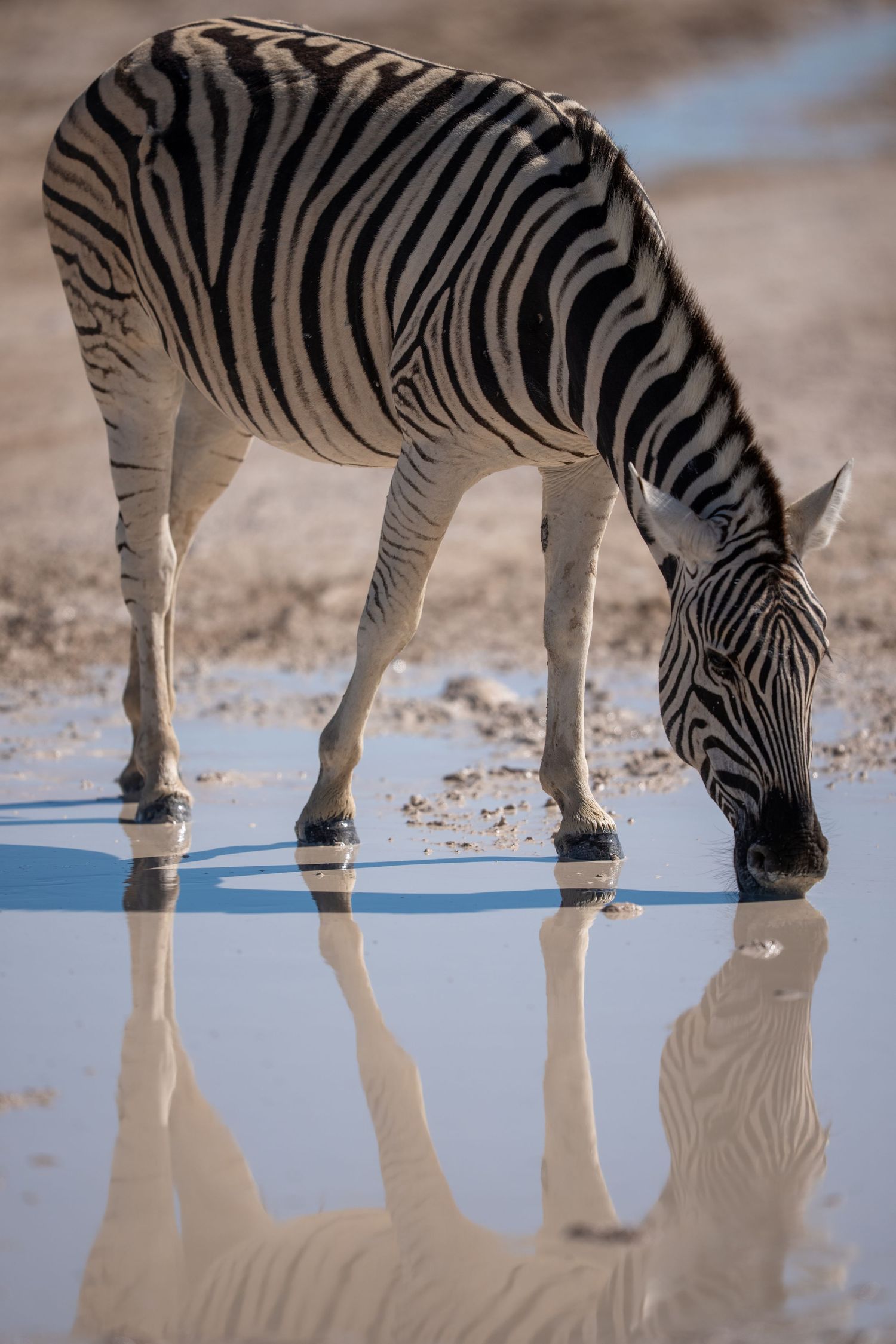
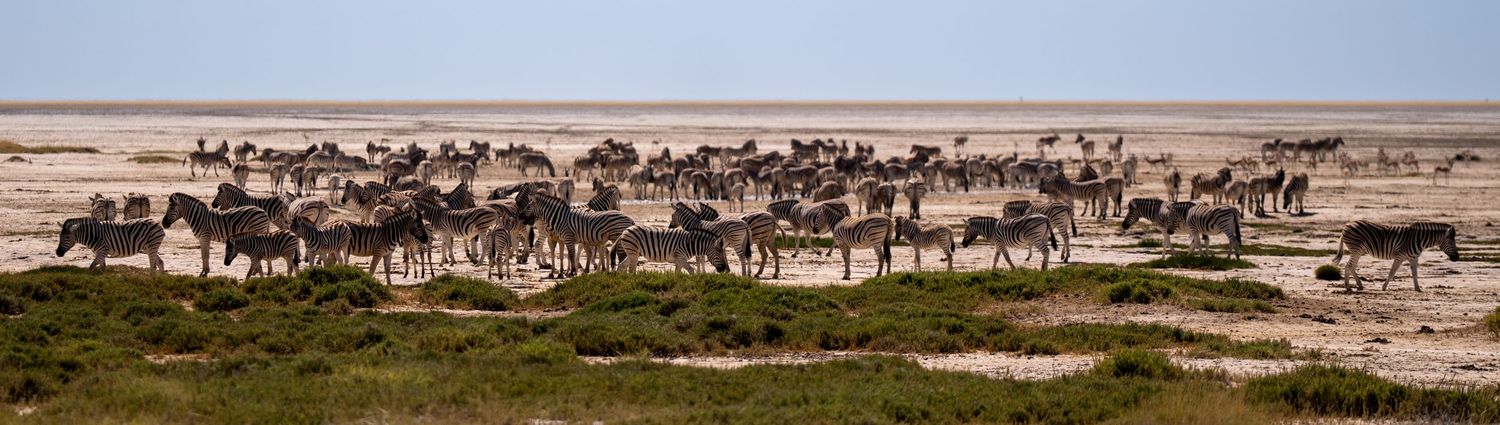
On request, you can join one of Ongava’s expert guides for a full-day excursion into Etosha National Park – a seamless add-on that many guests love. The entrance gate (Andersson’s Gate) sits literally right at the reserve’s exit, making the transition effortless and saving precious time. It’s the perfect opportunity to experience a completely different side of Namibia’s wilderness: the vast, open plains and endless grasslands of Etosha, where thousands upon thousands of zebras, springbok, wildebeest, and other plains game roam in dramatic herds against the striking backdrop of the famous Etosha Pan.
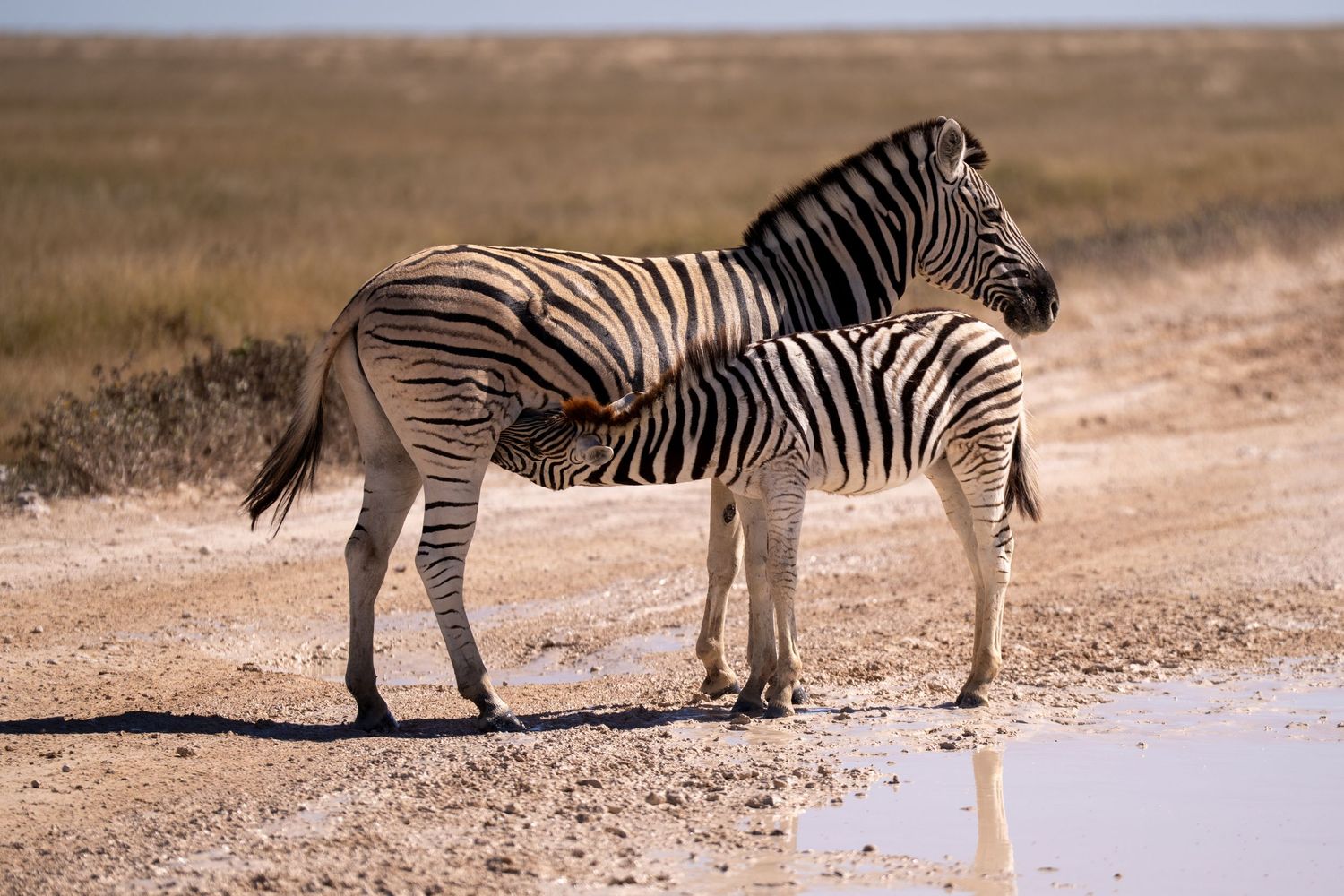
Unlike the intimate, guided-only experience at Ongava, Etosha operates as a classic self-drive national park (though your Ongava guide will handle the driving for you). No off-roading is permitted anywhere in the park – vehicles must stay strictly on the designated gravel roads – and you may only leave your car at the official rest camps or designated viewpoints. The road network, while well-maintained, is not particularly dense, so spotting the more elusive species can sometimes require patience and a bit of luck. That said, certain sightings feel almost guaranteed: enormous herds of plains zebras stretching as far as the eye can see, often numbering in the thousands, create one of the most iconic wildlife spectacles in Africa, set against the breathtaking, ever-changing light of the savannah.
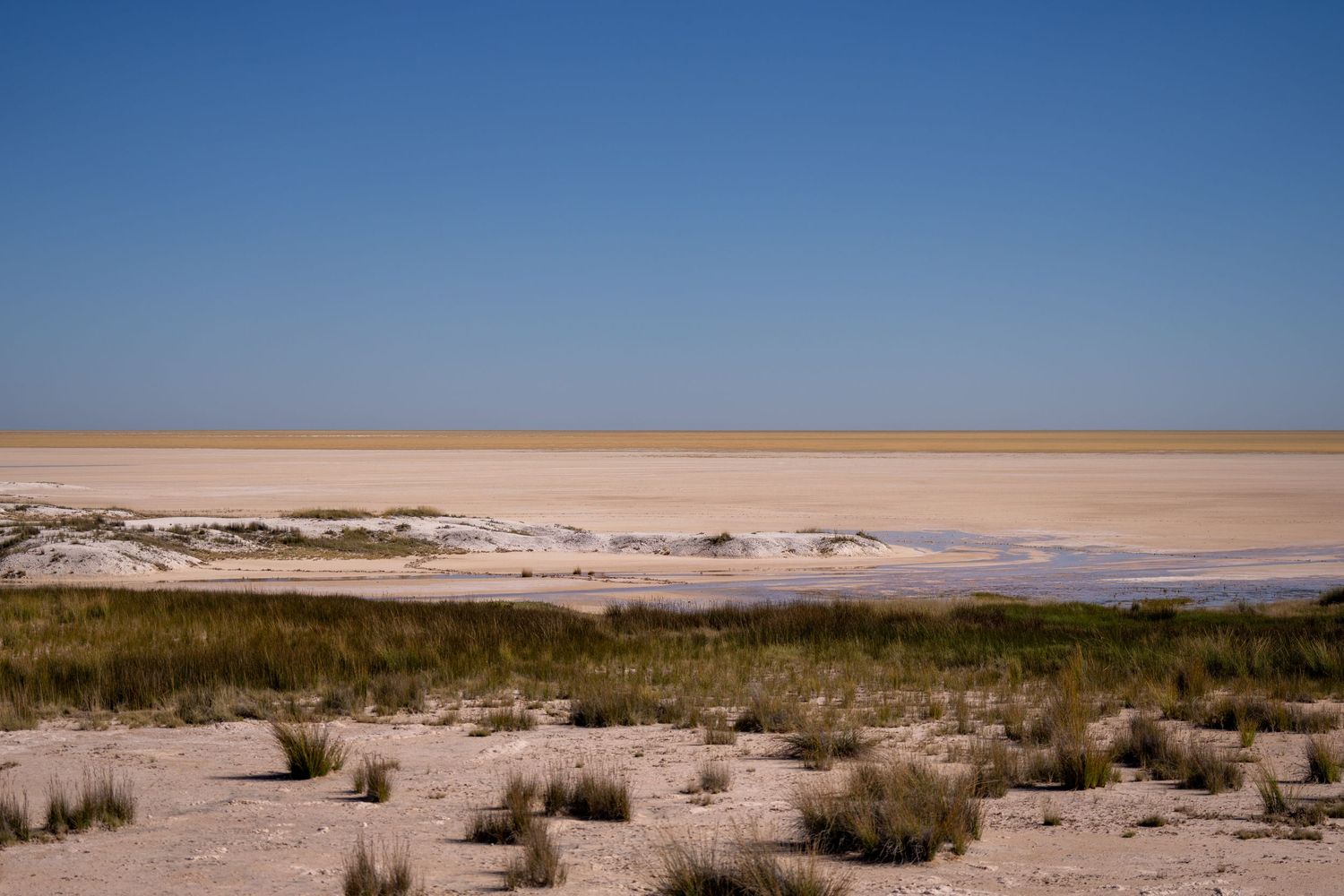
And then there’s the Etosha Pan itself – an utterly mesmerising natural wonder. This immense, flat salt pan covers roughly 4,800 square kilometres (about 1,900 square miles), making it one of the largest salt pans on the planet. It stretches so far that the opposite side simply disappears into the shimmering haze; on a clear day it feels almost oceanic in scale. The brilliant white surface, often tinged with subtle greens and blues depending on the light and moisture, provides an extraordinary, almost otherworldly background for photography – whether you’re capturing a lone oryx silhouetted against the vastness or a massive zebra herd marching across the horizon.
It’s a wonderful contrast to the rolling, bush-clad hills of Ongava and adds yet another unforgettable dimension to your Namibian adventure. A day in Etosha with your private guide turns into the perfect blend of wild exploration and pure photographic heaven. I’m already planning my next visit to the pan at golden hour – it’s impossible not to fall in love with this place.
Final thoughts
What truly sets Ongava Private Game Reserve apart is its enormous potential – and it’s already delivering on so much of it. The sheer scale of the 30,000-hectare (74,000-acre) wilderness, the breathtakingly varied landscape, the abundant and relaxed wildlife, the highly experienced guides, the excellent cuisine, and the authentically African yet luxurious accommodations form an outstanding “hard product” that many properties can only dream of. Almost nothing is missing on the fundamentals. The “soft product” – those thoughtful little extras that elevate a stay from very good to unforgettable – still has room for polishing, but the team is clearly committed and already hard at work on it. Ongava was recently acquired by new owners (Ongava Conservation Holding LLC took full control in late 2024, followed by a strategic merger with Epacha Nature Estate approved in early 2026), and the fresh leadership has quality standards firmly in focus, with a clear drive to raise the bar even higher.
The refinements they’re targeting are small but meaningful – a chilled bottle of water and a snack at checkout for the drive back to Windhoek, a few extra warm touches during check-in, or slightly more personalised attention from the hosts. Nothing dramatic, and certainly nothing that detracts from the experience. These are precisely the subtle details that justify a premium price point – and in Ongava’s case, that price is absolutely fair. The reserve’s vast private footprint, its deep commitment to conservation and rewilding, the cost of maintaining this pristine wilderness, and the investment in a dedicated team of passionate staff all come at a premium. The value delivered, however, more than matches it. The cherry on top is already in the works, and I can warmly recommend Ongava without hesitation.
My suggestion for the perfect Namibia itinerary? Explore Etosha National Park first on your own (self-drive is easy and rewarding) or with one of the many excellent local tour operators, then finish the trip in style with two to four nights at Ongava. It’s the ideal way to round off your adventure with exclusivity, privacy, and those magical rhino encounters. If you want to immerse yourself fully in Ongava while still combining it seamlessly with Etosha, I’d recommend four to seven nights here – you’ll see so much more of the reserve and enjoy the best of both worlds.
Getting here is refreshingly straightforward. While there are flight options into the Ongava/Etosha area, they’re not regular scheduled services and tend to be very expensive. Driving from Windhoek is not only simple but genuinely enjoyable – the journey covers approximately 430 km (267 miles) along well-maintained, paved main roads with very little traffic. Towns and service stations appear roughly every 150 km for fuel, snacks, or a quick bite, and the Namibian people are famously friendly and helpful along the way. I usually prefer to fly anything over three hours, but this drive was a delightful surprise: varied scenery, smooth tarmac, and zero stress. I’d do it again in a heartbeat – just download a good audiobook or podcast and enjoy the ride.
One last practical tip if you want to stay connected with loved ones back home: pick up an MTC eSIM or physical SIM card right at Windhoek Airport. It’s by far the most reliable network in the northern regions, including around Etosha and Ongava. International eSIM providers (Saily and others) often promise coverage but frequently fall short up here. That said, the lodge offers complimentary Wi-Fi, as do the main rest camps in Etosha – and sometimes a proper digital detox under the African stars is exactly what an IT guy like me secretly needs! 😉
Ongava isn’t just another lodge – it’s a place that feels like it’s still growing into its full potential, and being part of that journey makes the stay even more special. I left already planning my return.